Plant one million trees with us!
Articles

The Impact of Smog on Children: How Can We Protect Them?

MAIN0

The Impact of Smog on Children: How Can We Protect Them?

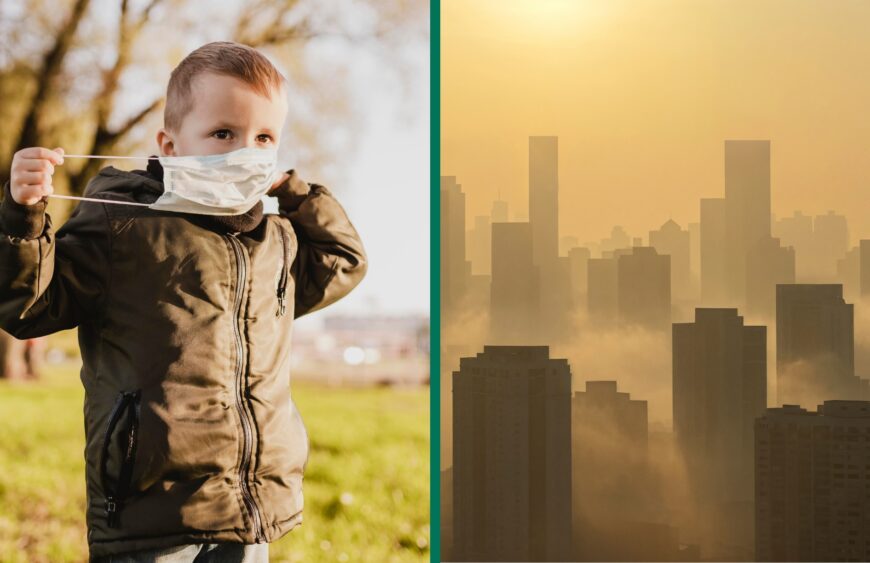
Why are children more sensitive to smog?

Children inhale proportionally more air than adults—they breathe faster, more intensely, and their bodies require more oxygen per kilogram of weight. This means that with every breath, a larger amount of pollutants enters their lungs. PM2.5 and PM10 particles, benzo(a)pyrene and nitrogen oxides can penetrate deep into the respiratory system, causing inflammation.

A child’s respiratory system develops until approximately age 8, and full maturity is not reached until the teenage years. During this time, any exposure to smog can disrupt healthy lung development. According to the World Health Organization, children living in polluted areas have a 30–40% higher risk of developing asthma compared to peers living in cleaner regions.


How does smog affect a child’s health?

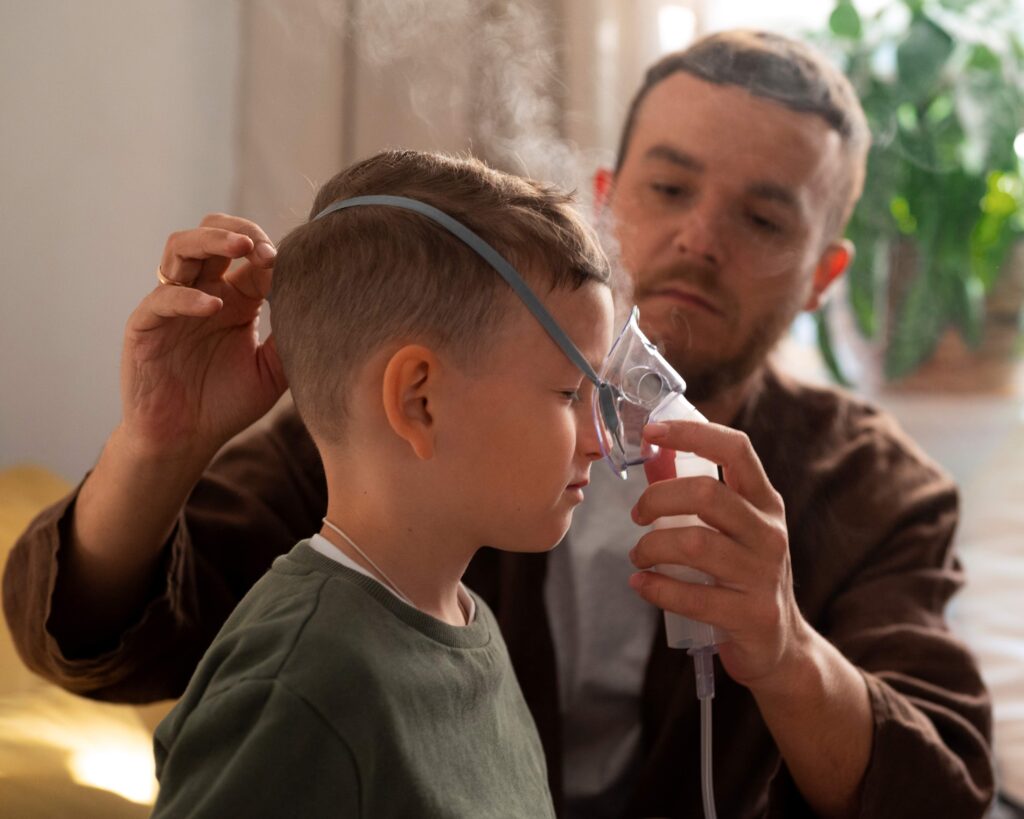
Smog doesn’t just irritate the respiratory tract—its impact is systemic. Pollutants can enter the bloodstream, causing oxidative stress and weakening immunity. This is why during the heating season children get sick more often, recover more slowly, and are more likely to develop complications.

Research by the European Environment Agency shows that during periods of increased pollution, hospitalizations of children for respiratory infections increase by up to 25%. Smog also affects the nervous system—high levels of pollution have been shown to reduce sleep quality and concentration, which is particularly important for school-aged children.


The most common symptoms of smog exposure in children

Many parents notice that in autumn and winter their children cough more often, have a runny nose or complain of a sore throat. These symptoms may result from high concentrations of particulate matter that damage mucous membranes and facilitate viral infections.

Common consequences also include:

  • recurring infections, especially bronchitis and sinusitis,

  • wheezing, shortness of breath, or a feeling of heaviness in the chest,

  • irritated eyes and dry mucous membranes,

  • lower energy levels and increased irritability caused by decreased oxygenation.

If smog appears regularly, symptoms may accumulate and be mistakenly attributed to “weak immunity.”

How to check smog levels and assess the risk for your child?

Awareness is the first step to protection. Many apps and sensor networks in Poland allow real-time monitoring of air quality. The most popular include Airly, Kanarek, and AQI Europe.

Useful thresholds to remember:

  • PM2.5 below 30 µg/m³ — outdoor activity is safe,

  • PM2.5 above 60 µg/m³ — limit time outdoors,

  • PM2.5 above 100 µg/m³ — avoid outdoor activities altogether.


How to reduce your child’s exposure to smog in everyday life?

1. Avoid walks along busy streets

Pollution levels along roads can be up to twice as high as just a few dozen meters away. When air quality is moderate, parks are a much better choice.

2. Take care of indoor air quality

The most effective tool is an air purifier with a HEPA H13–H14 filter. In winter, ventilate the home only when pollution levels drop—typically late morning or early afternoon.

3. Limit outdoor physical activity

During running or active play, lung ventilation increases up to 5–6 times, which increases pollutant intake. On smoggy days, choose indoor activities.


Anti-smog masks. Should children use them?

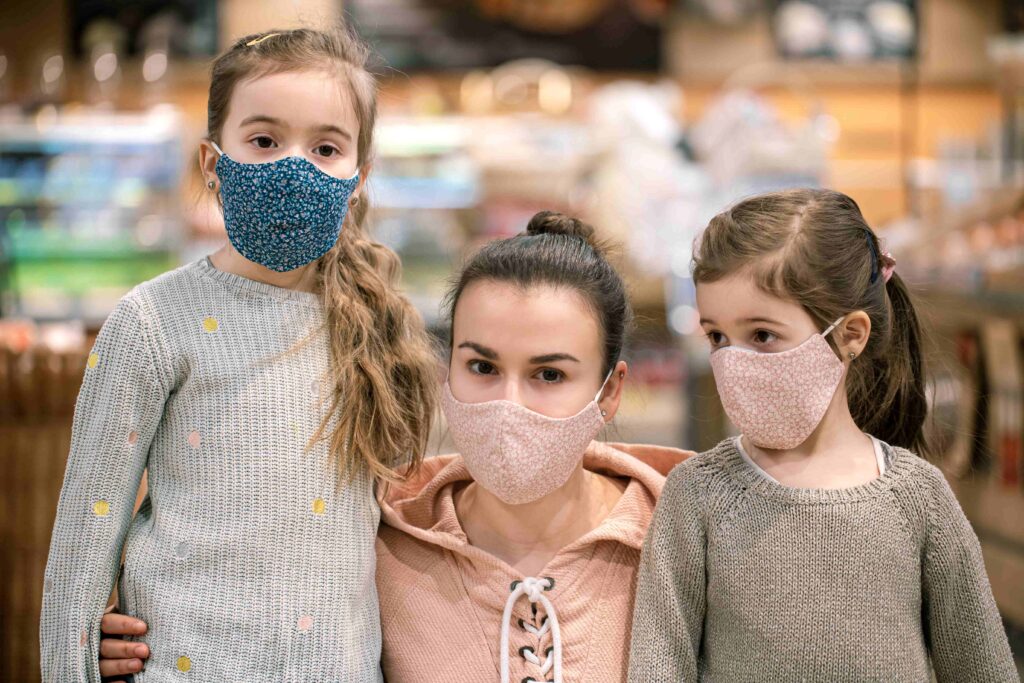
When pollution levels exceed the norms, anti-smog masks can be genuinely helpful. The most effective are masks with FFP2 or FFP3 filters, which block even fine PM2.5 particles. For children, a proper fit is just as important as the filter—a leaky mask loses effectiveness. This is why models available in multiple sizes, including kids’ versions, work best.

Children’s masks with good filters typically cost 25–60 PLN per piece, and reusable models with replaceable filters cost 80–150 PLN. Replacement filters are an additional 10–25 PLN. Fortunately, availability is high—these masks can be purchased online, in sports stores, pharmacies, and during winter also in popular retail chains. It is crucial to check whether the mask has proper certification, not just an attractive design.


How to encourage your child to wear a mask?

Convincing a child to wear a mask can be a real challenge. The best approach is based on understanding and giving the child a sense of agency. It is worth showing your child an air-quality app and saying: “Today the air is a bit dirty, this mask will help your lungs breathe more easily.” Children respond well when they understand why they are doing something, rather than when they feel it is being imposed on them.
It is great if the child likes the mask. A mask with an interesting pattern, or one inspired by a superhero, can make it a willingly used accessory in everyday clothing rather than a sad obligation.
It is important for parents to set an example. When requiring children to wear masks, parents should do the same so as not to create a sense of injustice.


Supporting children’s health during the winter season

Strengthening immunity reduces susceptibility to infections. A healthy diet, enough sleep and proper indoor humidity all play important roles. It’s also worth ensuring regular walks on days with good air quality, supporting lung development and natural resilience.

Every step toward protecting children from smog is an investment in their future health and contributes to building a more conscious and responsible society.


The role of parents and the community

Parents play a crucial role in building environmental awareness. Teaching children to care for the environment shows them that their health is directly linked to air quality. Community actions—reporting illegal waste burning, supporting anti-smog regulations, choosing cleaner heating sources—can significantly improve local air quality.

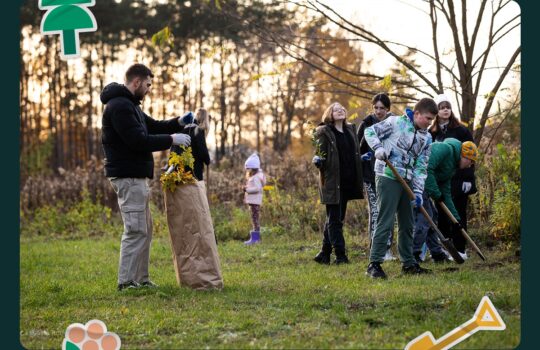
Practical environmental activities can also help children understand the issue, such as planting trees, cleaning green areas, or building shelters for wildlife. The One More Tree Foundation organizes such initiatives across Poland, educating local communities, including preschool and school children, connecting fun with meaningful care for nature.

protected by reCAPTCHA Privacy Terms