Ecological corporate volunteering – ideas for action beyond tree planting
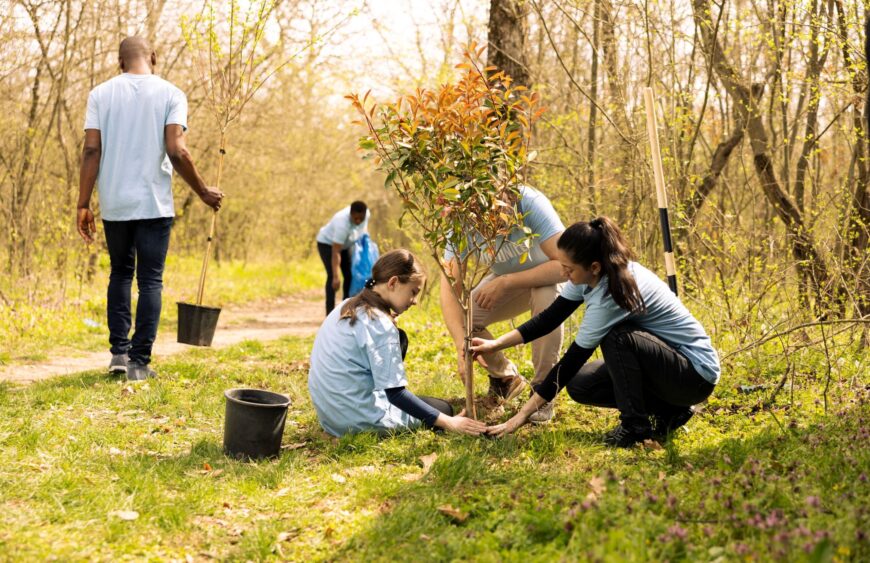
The modern office buzz – the hum of air conditioning, the rhythmic tapping of keys – often masks a deeper human need for purpose. Employees, particularly Gen Z and Millennials, are no longer just seeking stability; they want their presence in corporate structures to have a tangible impact on the planet. Traditional team-building activities are giving way to initiatives that leave a lasting green footprint. While tree planting has long been the symbol of CSR, today’s environmental awareness demands a broader perspective. Trees are the lungs of the Earth, but the ecosystem requires more diverse care.
Corporate Social Responsibility (CSR) is evolving toward purposeful actions that address specific local issues. Nature is a complex web where every element—from a pollinator to the soil quality in a city park—plays a crucial role. Corporate volunteering is becoming a platform for education and real change. Moving beyond the “tree-planting” cliché opens doors to ecological workshops, habitat restoration, and active pollution control, building a sense of agency and pride within teams.
Education Through Experience: Ecological Workshops as a Foundation
The foundation of lasting change is knowledge gained through practice. Ecological workshops are one of the most effective ways to build future competencies within an organization. Instead of traditional training, companies invite experts to teach practical ecology – building hotels for wild pollinators, home composting, or “zero waste” workshops. These actions carry immense value as they transfer pro-environmental habits from the office to employees’ private lives.
Practical workshops allow for an understanding of the subtle mechanisms of nature. For example, building insect shelters is a pretext to discuss the pollinator crisis that threatens global food security. When implementing such projects, organizations can count on the substantive support of experts, such as those provided byOne More Tree corporate volunteering, ensuring professional execution. This investment in intellectual capital is just as vital as physical field actions.
A Blooming Revolution: The Magic of Flower Meadows
Moving away from monoculture lawns toward wildflower meadows is a significant step for modern volunteering. A meadow is a home for thousands of organisms, a natural water reservoir, and a shield against urban heat islands. For employees, preparing the soil and selecting native seeds is a great practical biology lesson and an opportunity for integration through satisfying physical labor.
Wildflower meadows retain rainwater much better than traditional lawns, which is crucial during droughts. Their root systems can reach two meters deep, requiring no intensive watering or chemical fertilizers. Watching their work bloom and attract butterflies provides employees with immediate feedback. Such initiatives fit perfectly into the modernoffer for companies from One More Tree, proving that even small spaces near office buildings can become oases of biodiversity.
Cleaning the World: A Direct Response to Plastic Pollution
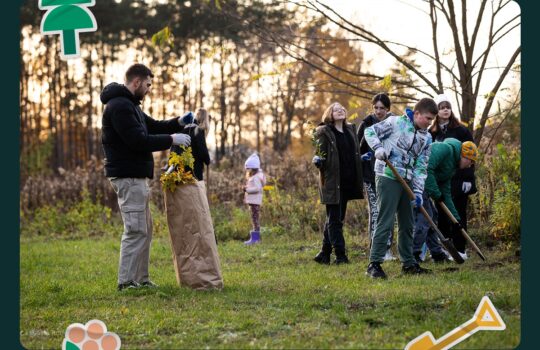
Despite growing awareness, littering in forests and rivers remains a massive challenge. Volunteering focused on cleaning green areas – often called “plogging” – is the most direct form of helping nature. It requires no specialized equipment but brings immediate visual and ecological results. When a team removes hundreds of kilograms of waste, it creates a strong bond around a clear goal and sparks reflection on consumption habits.
Cleanup actions are also critical for the safety of wildlife. Discarded cans and plastics are deadly traps for birds and small mammals. By performing such volunteering, a company not only “cleans” the neighborhood but actually saves lives. It is also an excellent moment to conduct a waste audit to inform internal educational campaigns and revise plastic policies within the organization.
Strategic Benefits of Diverse Ecological Actions
Why diversify volunteering instead of sticking to one model? Nature is a system of interconnected vessels, and only a multi-track approach brings lasting change. Diversifying actions allows a company to match activities to employee preferences and local needs. Not everyone feels comfortable with heavy physical labor, but they may excel as an educator or coordinator. The benefits of diverse ecological actions include:
Building an authentic Employer Brand that avoids greenwashing and engages in substantive environmental challenges affecting the local community.
Increasing employee retention by satisfying their need for purpose and belonging to an organization that holistically cares for the common good, the climate, and the future.
Diversity in the CSR calendar maintains high engagement year-round. While tree planting is seasonal, workshops can happen in winter, cleanups in spring, and meadow maintenance in summer. This transforms ecology from a one-time event into an integral part of corporate culture.
Direction: Future – How to Act Wisely
Ecological volunteering is a journey that starts with a simple question: “What does our environment really need?” Success lies in collaborating with NGOs that possess the expertise to translate corporate intentions into real field actions. These partnerships help avoid mistakes, such as planting invasive species or choosing the wrong timing for specific environmental work.
By choosing alternative forms of volunteering, companies become leaders of change. Every hour spent cleaning a forest and every square meter of a meadow are small steps toward a big difference. Real change lies in our hands, and ecological volunteering is the best way to use that power wisely and sustainably. Engaging human capital in smart projects creates a new quality of business culture based on empathy for the natural world.
This article aimed to show that ecological volunteering is a rich palette of possibilities. While every sapling matters, diversity -from workshops to meadows and cleanups – builds ecosystem resilience and team strength. Companies taking these steps are not just meeting ESG goals; they are investing in human relationships and a shared mission to protect the world.
We encourage every organization to look at their CSR strategies with fresh eyes. Let this be an impulse for action—for the environment, for employees, and for future generations. True power lies in our hands, and ecological volunteering is the best way to utilize it for a better future.
We use cookies to ensure that we give you the best experience on our website. If you continue to use this site we will assume that you are happy with it.